
As I mentioned in another blog post a few days ago, thrifting is now one of my primary sources for new CDs: an unexpected boon from the “vinyl renaissance” and its resultant present unfashionability of my beloved little silver discs. Hunting for CDs at a thrift store these days can feel like a lottery, only with better odds than the real thing. I’ve enjoyed some grand hauls at thrift stores for a pittance.
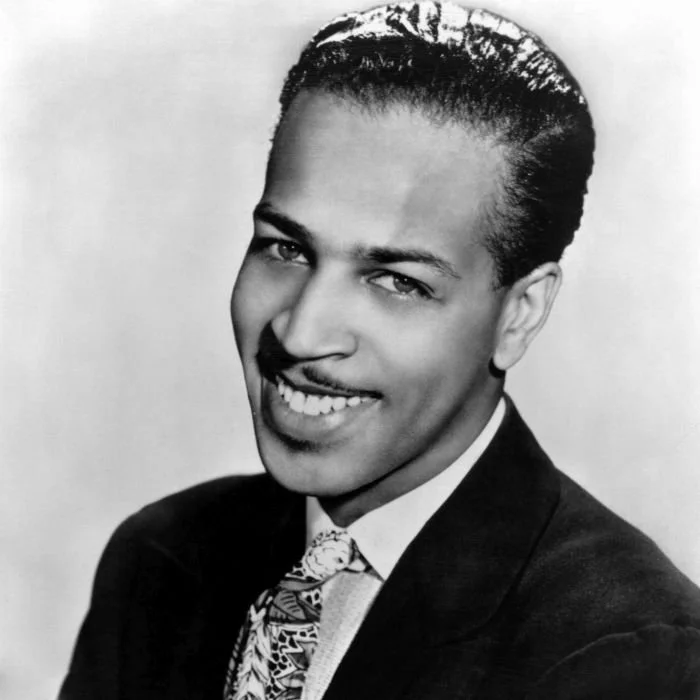
Not just classical music either. Bach, Beethoven, and the boys occupy most of my listening, but I keep my ears open for all sorts of things that appeal to my eclectic tastes, spurred on by my enjoyment of blind buys. So when I saw a CD compilation of songs by Wynonie Harris, whom I’d never heard of before, peeking through the stacks at a local thrift store, I figured there were worse ways of spending a dollar.
This Harris CD was issued thirty years ago on the Chronological Classics label. Almost as long ago, I was working my first stint as a record store clerk, at a store that specialized in classical, jazz, and various curiosities of the 78 RPM era. Chronological Classics CDs, highly in demand by our customers, were well stocked and prominently displayed. For some reason, though, I never did listen to them, although their uniform cover designs — catnip for collectors with completist streaks — embedded themselves into my memory. It wasn’t until a later record store job many years later that I began to listen and collect them.
Harris was an interesting figure. Born in 1919, he began his career as a night club comedian and dancer, before he shifted to singing in the late 1930s. His career peak occurred in the immediate postwar years, carried by a string of bawdy, proto-rock ‘n’ roll hits. By the end of the 1950s, his career plunged, his plight aggravated by business failures and mounting debt. After living in New York City, where he owned a diner, he returned to Los Angeles, the site of his greatest professional successes. Times and tastes had changed, unfortunately, and he no longer drew the level of attention he enjoyed in earlier years. Further misfortune followed a few years later when he was diagnosed with esophageal cancer; its progression eventually robbed Harris of the ability to sing. He died in 1969, mostly forgotten.
The personnel on these songs is impressive: they include Freddie Webster, Jack McVea, Illinois Jacquet, and Charles Mingus. Even more impressive are the songs themselves, which are in a declaimed sprechstimme that hearkens back to a fire-and-brimstone sermon at a Sunday church service.
There is a temptation to regard the past as a domain free of blemishes and disappointments. Everything was better back then, we like to think. And, maybe, that's the truth. Or a truth. Listening to Harris’ songs peopled by alcoholics, prostitutes, violent domestic partners, the unemployed, and the merely deranged, another truth emerges, one that complements and completes the whole. Here is a past that is strikingly recognizable and consistent with our present; a Charles Wright novel erupting into sound.